Flats and apartments
Apartments in projects with amenities and a clear price.
Free enquiry·
Tell us what you are looking for
- Compare side by sideProjects, homes and amenities
- Carpet areaAsk to see it in writing
- Ready or being builtCheck the stage and handover date
- Visit and askA sample flat where there is one
Trusted dealer
Ask about the property and its papers.
Transparent price
Ask what is included, in writing.
Flexible EMI options
Estimate it, then check with your lender.
Free site visits
See it yourself; we fix the day with you.
Settle these first
Choosing a flat: four things first
Tell us your answers and we suggest projects that fit, then show them to you on the ground.
The daily journey
Trains, metro, roads and the walk at both ends, at the hours you travel.
A size that fits
Rooms and carpet area for your household, on the plan of the exact flat.
Ready or being built
What is finished, the handover date and what the agreement says about delay.
The whole cost
Payments by stage, maintenance, parking and an instalment you are comfortable with.
Places with projects of this kind
- Sugam Urban LakesPossession: December 2030, as listed · Carpet area: 467 to 975 sq ftFrom ₹39 lakhEnquire
- Shriram SpringfieldUnits: 3 BHK double-decker apartments · Status: LaunchingPrice on requestEnquire
- Rounak InfinityPossession: 2030, as listed · Phase 1: 156 flats in two towers of G+12From ₹48 lakhEnquire
- Shriram Grand CityConfigurations: 2 BHK and 3 BHK · Township: 314 acresFrom ₹35 lakhEnquire
- Shyam Residency PrimeBuilding: G+11 · Phase I: Handed overFrom ₹3,200 per sq ftEnquire
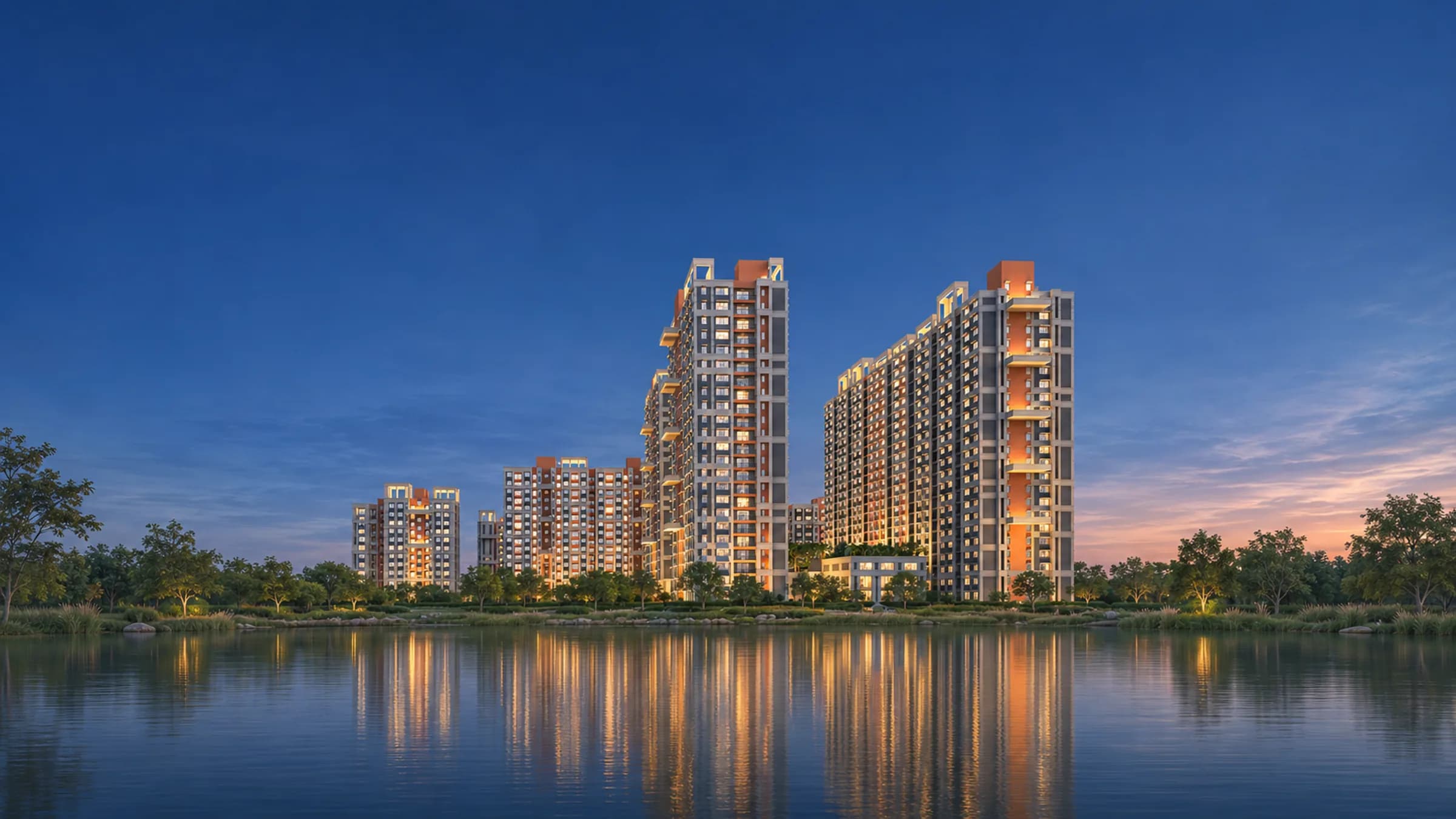
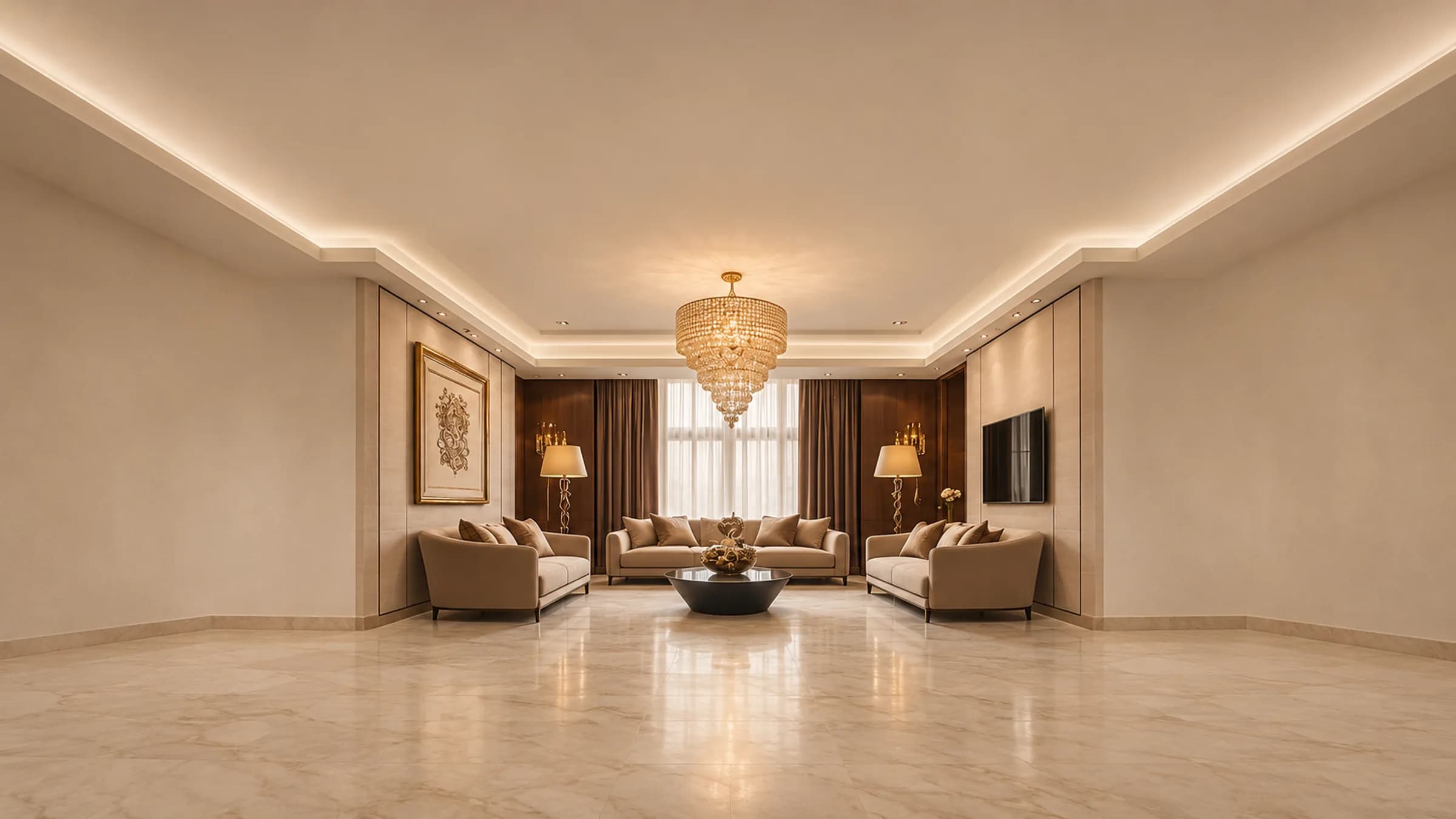
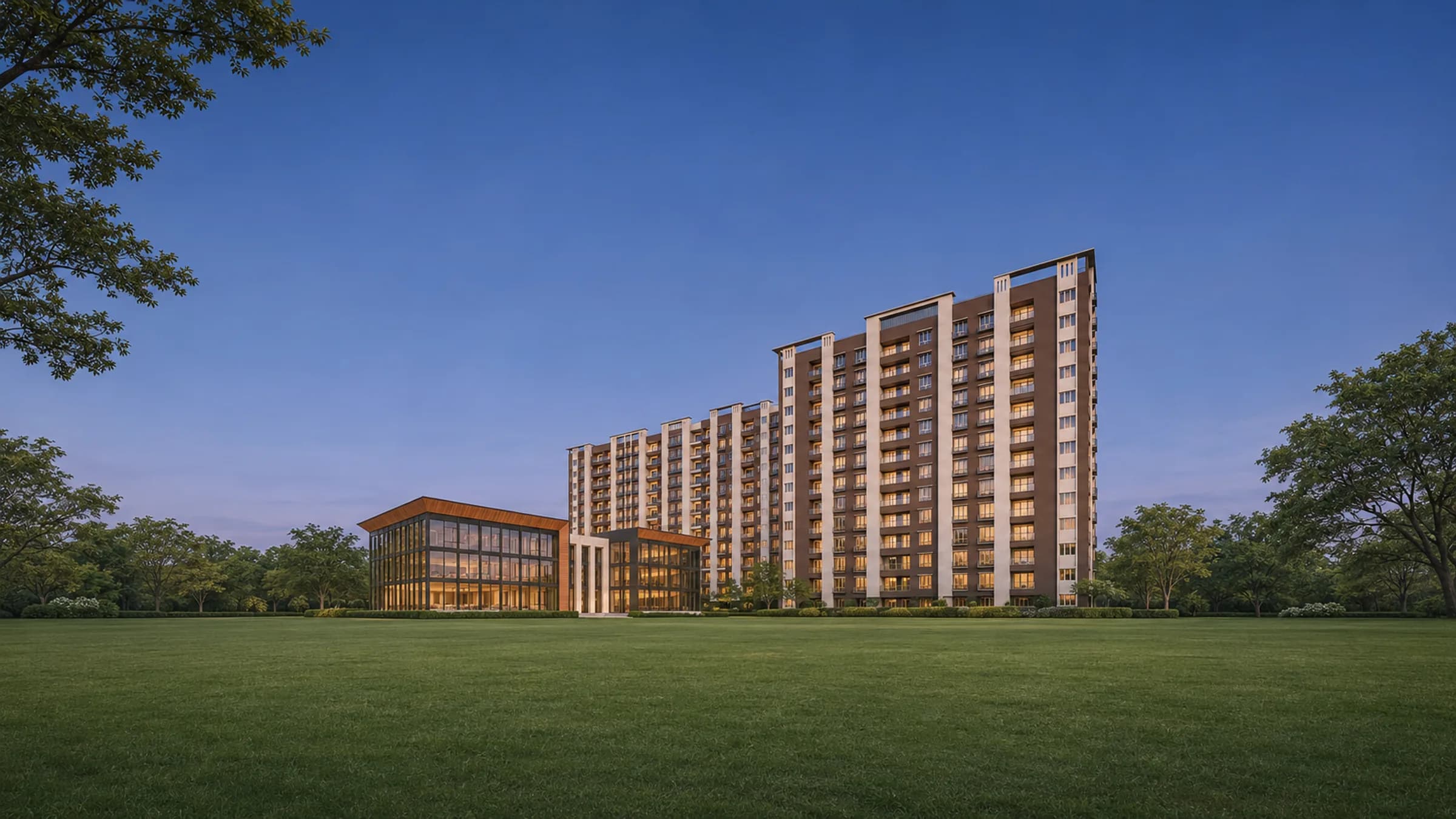
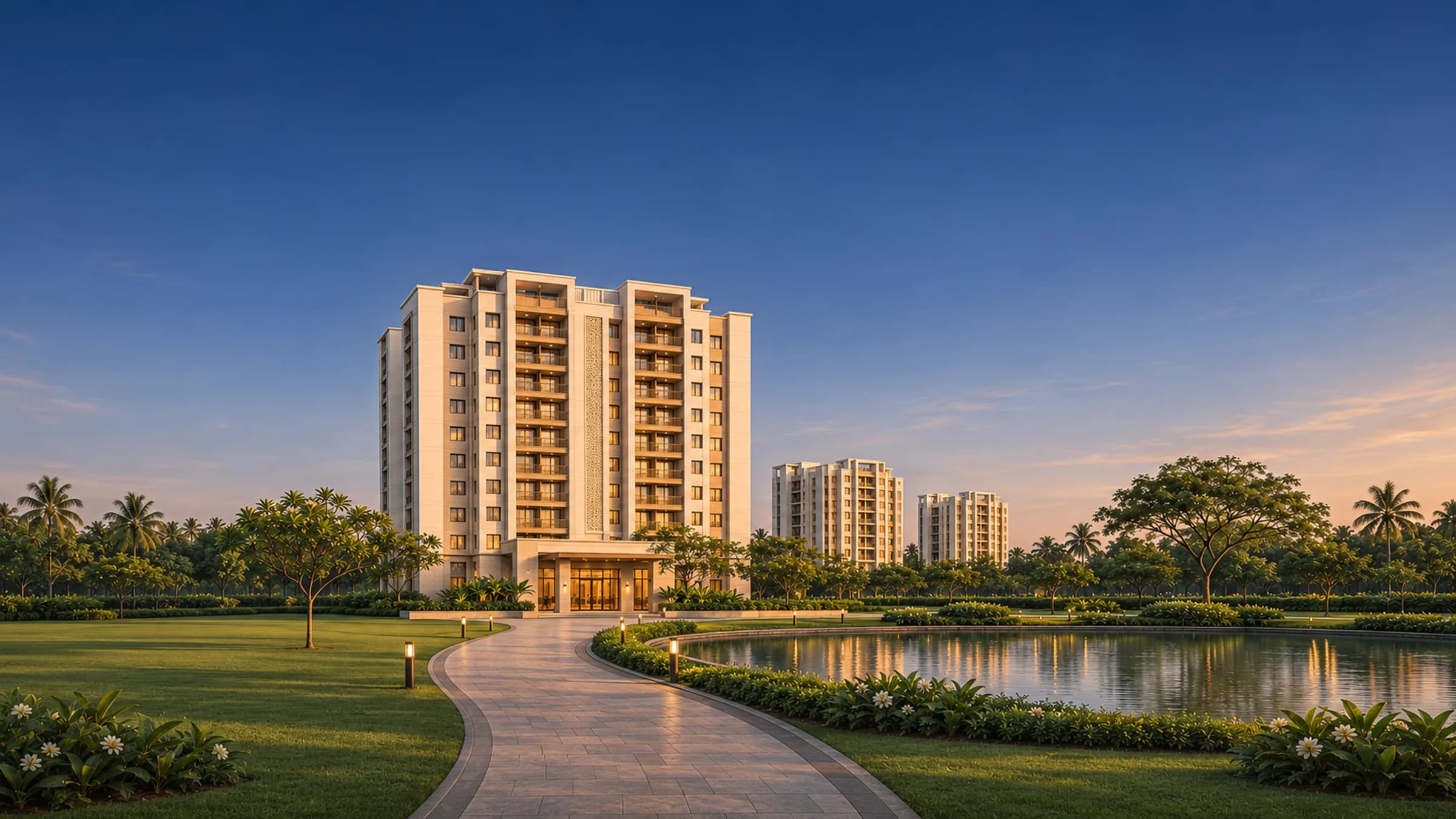
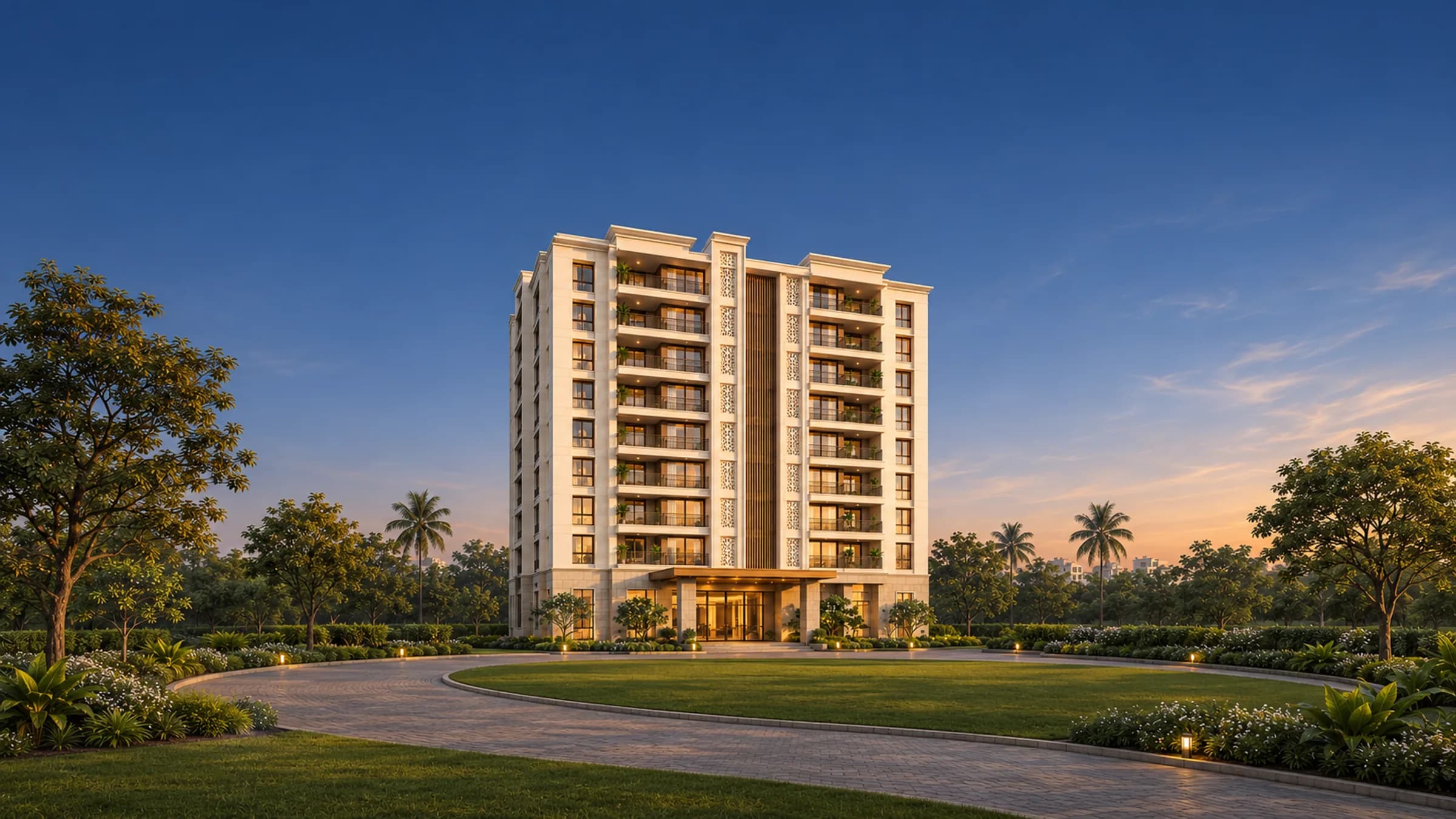
Like one of these projects? Ask us about it.
Before you book a flat
General information, to help you ask the right questions.
The project's registration
Where a project needs a RERA registration, its number should be on the project's page and in its advertisement. Check it on the regulator's official register before you book.
The area you pay for
Ask which area the price is based on and see it written in the agreement. The carpet area, the usable floor inside the walls, is the clearest to compare.
The payment plan and the handover date
Read how much is due at each stage and by when the home is to be handed over. Check that the payments follow the stage of the work.
This is general information, not legal advice. Ask an advocate to read the papers of any property you plan to buy.
Want to go through these checks for a project you like? Talk to us.
How to compare projects
Set two or three projects side by side and ask each the same seven questions. The answers, on paper, decide.
The papers
Which papers does each seller show, and which are still to come?
The payment stages
How many, and in what order? Ask for each in writing.
Possession
What does the agreement say, and what happens if a date is missed?
The area
How is it measured, and what is included in it?
The charges
What is payable beyond the base amount, and when?
Upkeep
Who looks after the common parts, and how is it paid for?
The neighbourhood
Visit each at the same hour, on the same kind of day.
Want two projects set side by side? We will do it with you.
Before you book, check
Eight things to have in hand. Tick them off one by one.
- The title papers, read by a lawyer
- The sanctioned plan
- The draft agreement for sale
- The payment stages, in writing
- The possession date and the clause for a delay
- Every charge beyond the base amount
- The cancellation terms
- A receipt for every payment
Want a hand with the list? Ask our team.
A quick EMI estimate
Move the sliders to see what a monthly instalment could look like. It is arithmetic, not an offer.
Monthly instalment
a month
- Loan amount
- ₹30,00,000
- Total interest
- ₹34,78,027
- Total payment
- ₹64,78,027
An illustration only: your lender's rate and terms decide.
Want to talk about a plan that suits you? Ask our team.
Watch before you visit
Short videos of homes and sites, to help you look closely before you come to see them.
2 BHK on the 10th floor at Shyamnagar, river view: home tour
Sodepur residential plots in a municipality area: site view
Shriram Grand City: ready 2 BHK with car parking, flat tour
Check the carpet area before booking a flat: buyer tip
Sodepur Premium Plots: development work on the land
Shriram Grand City: 3 BHK flat tour in Uttarpara
Ask about anything you saw, or book a site visit.
Questions about flats
Plain answers. None of them replaces reading the paper for your own plot.
How do I compare the space in two flats described with different area terms?
Ask each seller to identify the area measure used and show it on the plan and proposed agreement. Compare like with like before judging room usefulness. Check the actual dimensions and circulation too, since a headline area cannot tell you whether the bedrooms, storage and furniture arrangements will work for your household.
What should I check if I am shown a sample flat?
Ask how the sample differs from the exact flat offered, including floor, orientation, room dimensions and finishes. Keep a written list of those differences and request the plan for your unit. A furnished sample can help you imagine a space, but it does not establish what your agreement includes.
How should I assess light and ventilation in an apartment?
Check the window positions, neighbouring obstructions, room depth and openings shown on the actual unit plan. Where access is possible, visit at a relevant time and compare the setting with the drawing. Ask about planned adjoining work, while keeping current observations separate from statements about what the surroundings may become.
What should I ask about lifts, stairs and everyday access?
Consider the route from the building entrance to the flat, including any steps, lift access and shared passages. Ask who maintains the equipment and which arrangements apply during interruptions. Match the answers to your household’s mobility and practical needs rather than assuming that a lift pictured in promotional material resolves every access question.
How do I establish what parking arrangement accompanies a flat?
Ask the seller to identify the proposed parking arrangement in writing, including its location, basis of use and any shared rules. Compare the description with the plan and draft agreement. A space seen during a visit or a verbal reference to parking does not by itself establish the rights accompanying the particular flat.
Which shared services should I review before choosing an apartment?
Ask about water, drainage, power arrangements, waste handling and the upkeep of common spaces. Identify who is responsible, what is currently operating and what work remains. Read the relevant documents and proposed obligations, since an amenity list alone does not explain how a service will be provided or maintained for residents.
How should I compare a ready flat with one still being built?
Keep the evidence appropriate to each stage. For an existing flat, compare the actual condition and available completion-related records; for ongoing work, review the applicable plans, progress evidence and written commitments. Identify what you can inspect now and what remains dependent on future work, without treating the two offers as equally observable.
What should I do if the flat differs from the plan I receive?
Record the precise difference with the unit reference and ask which current drawing applies. Do not resolve a material mismatch by assuming a verbal explanation changes the approved or agreed position. Have a suitable independent professional compare the relevant plans, records and proposed agreement before you accept a change or proceed.
What should I ask about alterations inside a flat?
Describe the alteration you are considering and ask what building, structural and shared-service constraints apply. Do not assume ownership allows every wall, opening or service to be changed. Get the relevant records and professional advice for the particular building before using a proposed alteration as the reason to choose that flat.
What should my final apartment comparison record contain?
Keep the unit identifier, plan, area definitions, condition notes, shared-service responsibilities and unanswered document questions together. Separate included items from optional or proposed ones. Compare the same headings across flats and have material uncertainties reviewed before committing, so a pleasing interior does not conceal a different obligation or unresolved building issue.
How should I use the project catalogue to compare different offers?
Choose the property type and area that fit your needs, then open the individual entries rather than comparing their cover pictures alone. Keep a note of the exact property, what is included and what remains unanswered. Compare current written information for each offer before treating the catalogue as a shortlist for visits.
What does a project card tell me, and what should I open next?
A card is a route to a fuller entry, not the complete proposal for a transaction. Open the project page to read its location, property type and available details. Ask which phase or unit the information concerns, and request a current written explanation wherever a summary leaves the scope of the offer unclear.
Can I compare projects in different areas from this page?
Yes, but compare the practical consequences of each location as well as the property description. Read the relevant area guides, plan the journeys that matter to you and keep location-dependent checks separate. A similar-looking property in another area may involve different access, services, land records or responsibilities that need independent review.
How can I tell which parts of two offers are actually comparable?
Use matching categories: the exact property interest, the stated area measure, the facilities included and the obligations left to the buyer. Write down differences rather than forcing them into one headline comparison. If descriptions use different terms, ask the sellers to explain those terms against their respective drawings and proposed agreements.
What if the catalogue does not show the property type I need?
Use the contact option to describe the property type, preferred location and intended use. Say which requirements are essential and which you can change. An empty result or a general category page does not establish what a seller can supply; ask for a specific current offer before planning a visit or further checks.
Should I treat a project count as a count of available units?
No. A catalogue count describes entries, while an entry may cover a development, phase or property type rather than a particular available unit. Ask the responsible contact to identify what is actually being offered now. Keep the unit or plot reference attached to subsequent documents, questions and any arrangement to inspect it.
How do I avoid mixing up phases with similar project names?
Record the project name together with the phase, location, seller and exact property identifier. Ask which plan and documents apply to that reference, especially when several entries share a larger development name. Do not carry a facility, timetable or document from one phase into another comparison without written confirmation that it applies.
What should my comparison note contain before I contact the team?
Include the project names, the area or property type you prefer, your intended use and the questions that prevented a decision. Mention practical visit needs without attaching sensitive personal records. Separating your requirements from the seller’s claims makes the first conversation clearer and helps the team address the correct entry.
How do the project pages and buyer guides work together?
A project page describes a particular listing; a buyer guide helps you frame the checks for that kind of decision. Read both and turn the general guidance into questions about the exact property. Neither a listing nor an article replaces checking the current documents, inspecting the site or obtaining independent professional advice.
What should I confirm before visiting several shortlisted projects?
Confirm which exact properties can be inspected, their meeting points, the order of visits and who will attend. Ask whether you will see the offered property or a sample space. Bring the same comparison questions to each visit, while leaving time to record differences and request documents for anything you cannot verify on site.
Which papers should I ask for before I book in a project?
Ask to see them on paper, not in a message: the documents that show who owns the land, the sanctioned plan, the draft agreement for sale and any approval letters the seller holds. Keep a copy of everything you are shown. Bring someone you trust, or your own lawyer, to read them with you, and take your time before you sign or pay anything.
Does a project have a registration number?
This page shows a registration number only when the seller has supplied one for the project, and we have not checked it for you. Look up any number you see on the state real estate authority's own website and compare the project name, the address and the promoter. If no number is shown, ask the seller in writing why not.
What are the stages of buying a property in a project?
Usually: an enquiry, a site visit, a booking, a written agreement for sale, instalments linked to the stages written in that agreement, possession and finally the registration of the deed. Ask for the schedule of payments before you pay anything at booking, and keep every receipt. This page does not set the amount or date of any stage; the written agreement does.
When will I get possession?
Possession is whatever the agreement for sale says, and this page promises no date. Ask the seller for the date written in the agreement, for what happens if it is missed, and for the papers handed over at possession: the completion papers for a building, or the demarcation and deed for land.
Can I take a home loan for a project?
Many buyers do, but every lender decides for itself. A lender usually looks at the papers of the project and of the seller as well as your own income records. Ask the seller which lenders have already read the project's papers, then ask your own lender what it needs. The estimator on this page is an illustration only.
I live outside India. Can I buy in a project?
The rules for buyers who live abroad cover how the money is paid, which account it comes from and which kinds of property may be held. Rules change, so ask the team how it works for a project, check with your bank or an adviser, and give a power of attorney only on a paper your own lawyer has read.
How do I arrange a site visit?
Use a contact button on this page, or send the enquiry form, and tell us the day and the number of people. Carry an identity proof, ask to see the project's papers and the actual home or plot, and photograph the road that leads to it, the neighbouring buildings and any notice boards you see.
What should I know before I sell what I buy here?
You may sell what you own, within what the agreement and the law allow. Before you buy, ask whether the agreement limits a transfer, whether any association fee or dues must be paid first, and what papers a later buyer would need. This page says nothing about what a future sale could bring.
Who looks after the common areas, and what does it cost to maintain them?
Ask who maintains the roads, drains, lights, lifts and gardens, what the monthly charge covers, how it is set, who holds any deposit and what happens to the fund when the residents' association takes over. Get the answers in writing, because maintenance is a cost that continues long after possession.
What should I ask the seller to put in writing?
Ask for the exact area in the agreement and how it is measured, every charge beyond the base amount, the schedule of payments, the possession date, the clauses that bind each side if a date is missed, the cancellation terms and the name of the person who will sign. A clear written answer is worth more than a promise.
What if I need to cancel after booking?
The terms are in the booking form and the agreement. Read the sections on refunds and deductions before you sign, ask what is returned if you cancel and how soon, and note the date of every receipt. This website does not set or change the seller's terms; ask the team how cancellation is handled for a project.
How does Versatile Realty earn from a sale, and is anything charged here?
Ask the team how it works for a project and ask for the answer in writing. Nothing is charged for using this website. Whoever asks you for money, ask for the reason in writing and a receipt, and do not pay anyone who contacts you outside the channels listed on our Contact page.
Are the pictures and details on this page final?
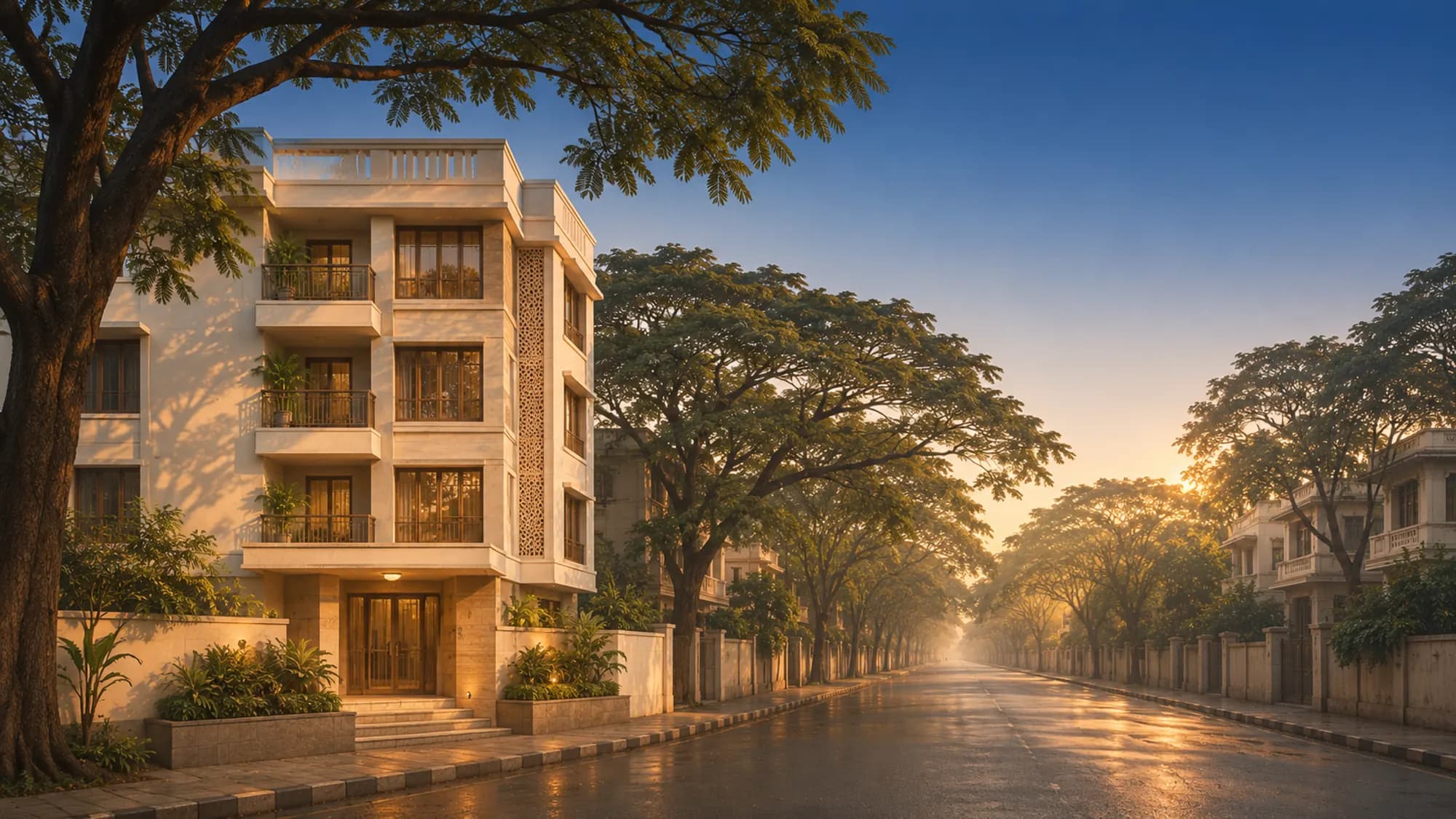
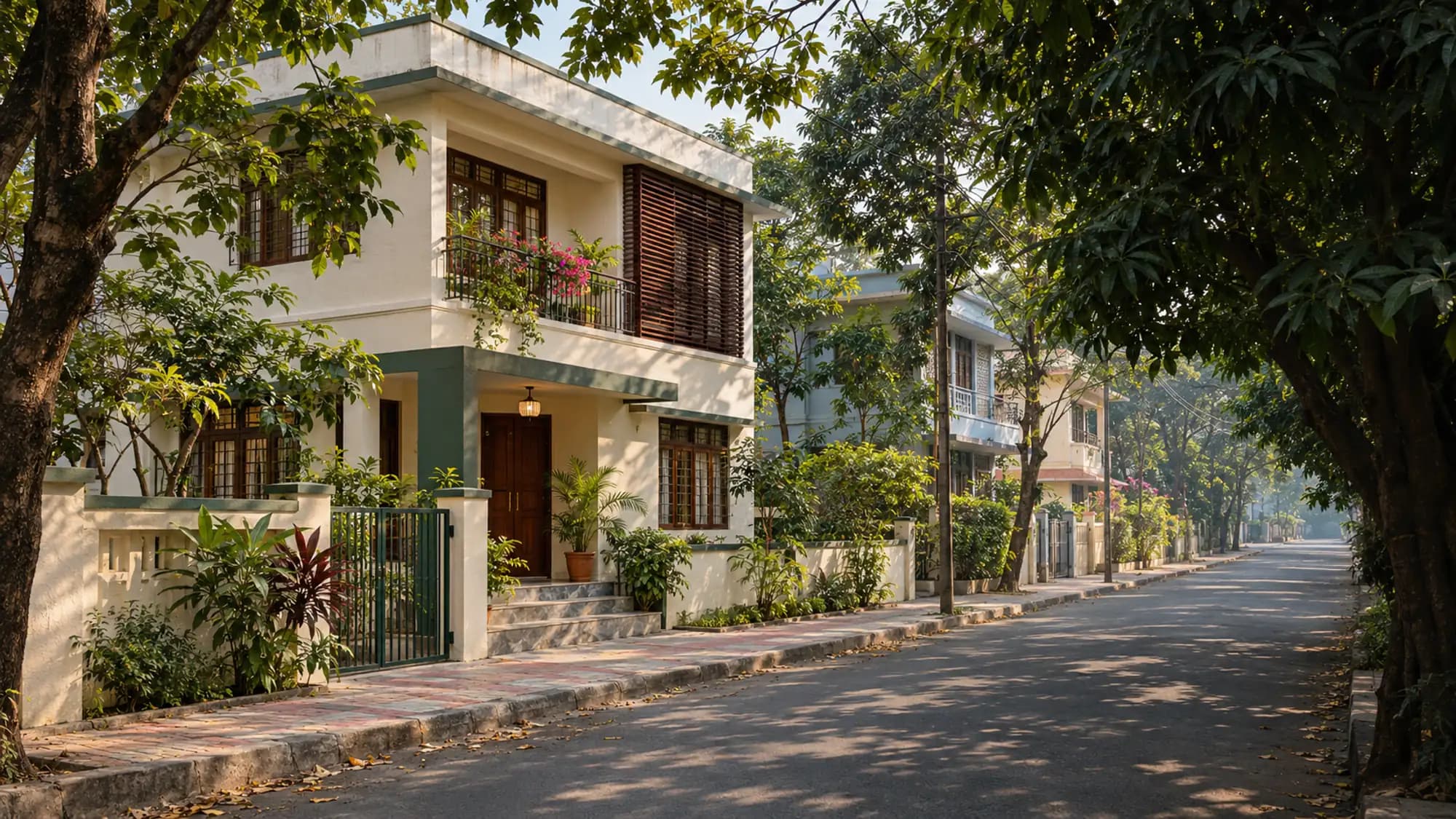
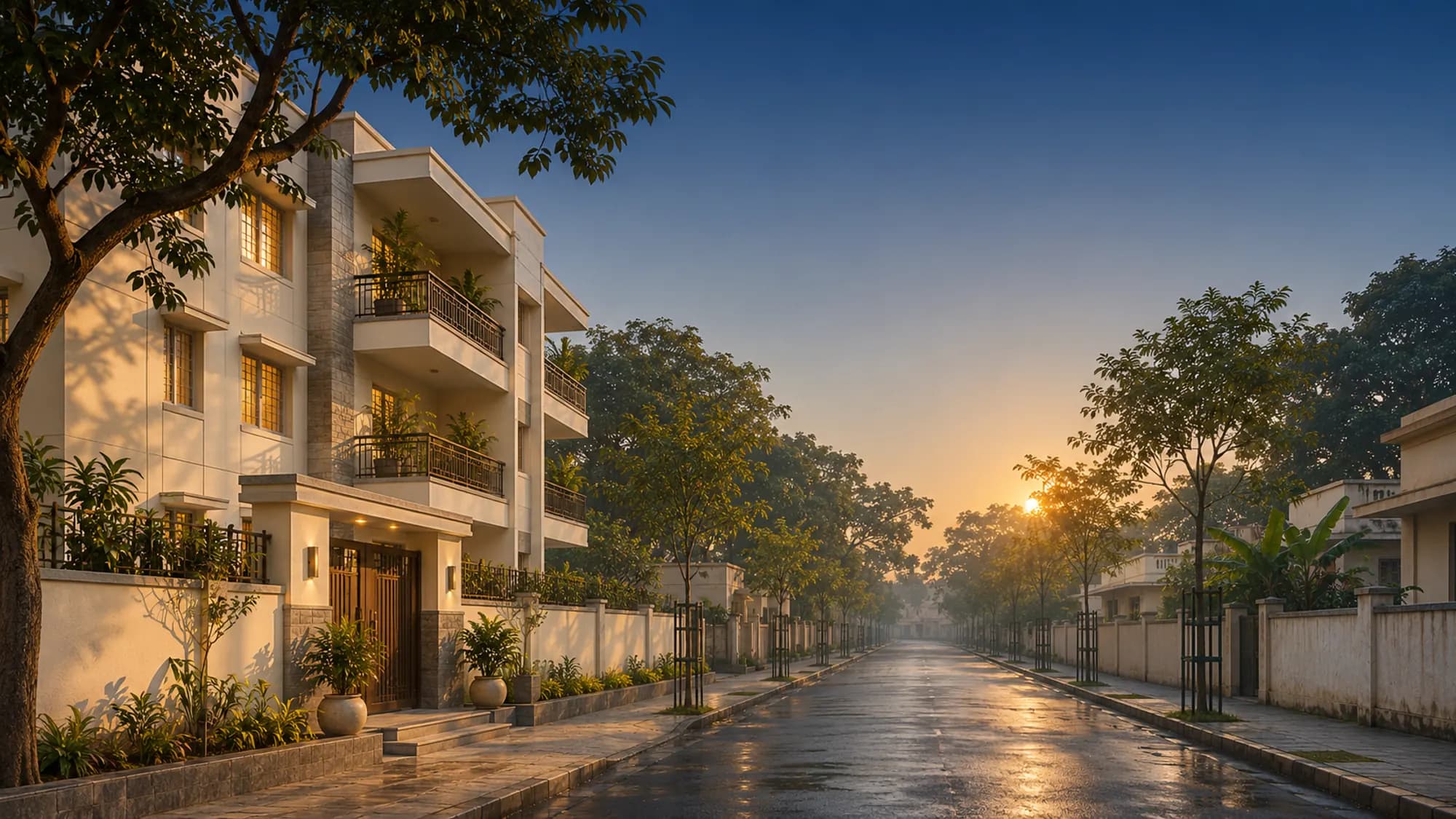
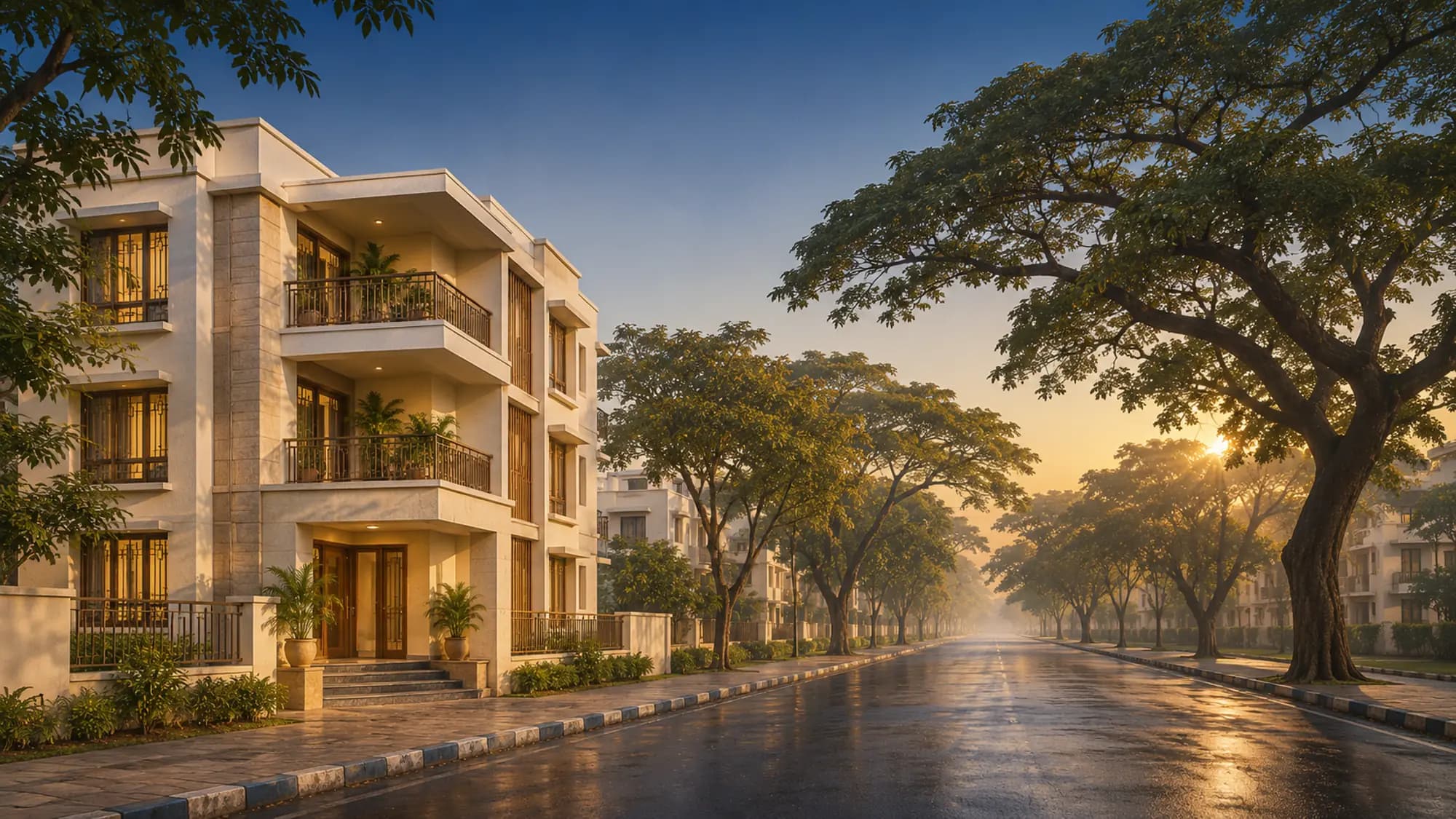
Pictures may include illustrations as well as photographs. Confirm what each image represents for the specific property; the Disclaimer explains the use of illustrations. Check the seller's area, layout, amenities and specifications against the agreement and current site. A site visit is the surest way to see how the home or plot really looks before you decide.
How do I find out what it is like to live around a project?
Visit the area at different hours, walk the lanes, find the nearest shops, schools and clinics, and talk to people who already live nearby. Read the place's own page on this website for what to ask on paper, and note how the road, drainage and water look after rain, not only on a bright day.
May I bring my own lawyer or adviser?
Yes, and we would encourage it. Share the papers with them before you pay, let them ask the seller their own questions, and wait for their reply. A buyer who takes advice before booking is better placed to spot a missing paper or an unclear clause than one who is asked to hurry.
Another question? Ask us directly.
Looking for something specific in flats and apartments?
Would you rather talk it through? Call or message us.
Find a project by place
Each place has its own page: what is around it, how to reach it and the projects there.
- Barrackpore
- Dankuni and Uttarpara
- Digha
- Jagaddal
- Joka3 projects
- Kalyani1 project
- Mandarmani and Tajpur
- New Town, Rajarhat and Sector V
- Shyamnagar2 projects
- Sodepur1 project
- Uttarpara and Konnagar5 projects
Tell us the place you have in mind.
Read before you buy
Plain checklists for first-time buyers: land, registration, site visits.
Would you rather talk it through with a person?